 Lucian AtenVIEW PROFILE →
Bigger, and Somehow Better: The Verdict on the First 48-Team, Three-Nation World Cup
The 2026 World Cup was the largest in history , 48 teams, three countries, 104 matches. The doubters warned it would be bloated. Instead it broke every attendance record in the book.
When FIFA announced that the 2026 World Cup would balloon to 48 teams spread across three countries, the reaction from much of the football world ranged from skeptical to openly hostile. Purists warned of a bloated, diluted tournament stuffed with mismatches, a commercial land-grab that would strip the competition of the tension that made it special. Now that it is over, the numbers tell a very different story.
Far from being a disaster, the biggest World Cup ever staged rewrote the record books and, by most measures, worked. It was a genuine experiment in scale, and understanding what happened matters, because this expanded format is now the template for how the world's biggest sporting event will look for years to come.
The scale of the thing
The raw dimensions were staggering. The tournament featured 48 teams playing a total of 104 matches over 39 days, running from 11 June to 19 July 2026. That is a colossal expansion on the 32-team, 64-match formula that had defined the World Cup for decades, and it stretched the event into something closer to a month-long festival than a tight tournament.
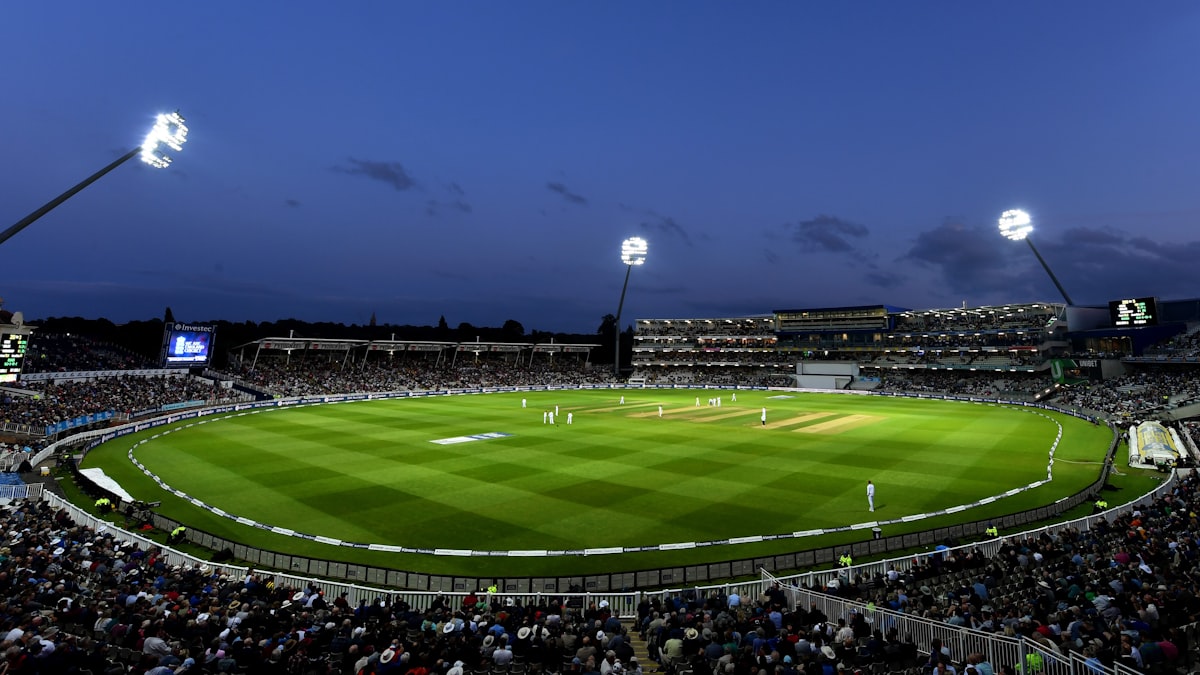
It was also the first World Cup ever co-hosted by three nations, spread across 16 cities in the United States, Mexico and Canada. Coordinating a single tournament across an entire continent, with all the travel, logistics and time zones that implies, was an organisational challenge on a scale no previous host had ever attempted.
The new structure worked like this: the 48 teams were split into 12 groups of four for an opening round-robin phase. The top two from each group, plus the eight best third-placed sides, advanced into an enlarged 32-team knockout round, adding an extra elimination stage before the familiar drama of the latter rounds began.
Critics had feared that inviting so many teams would flood the group stage with dead rubbers and lopsided scorelines. In practice, the expanded field gave smaller footballing nations a genuine stage, and the race for those third-place qualifying spots kept far more teams mathematically alive deep into the group phase than the old format ever did.
Records that silenced the doubters
If attendance is any measure of success, the 2026 World Cup was a triumph. Across its 104 matches, a scarcely believable 6,810,966 fans passed through the turnstiles, with venues operating at an average of 99.7 percent of capacity. In other words, the stadiums were not just full; they were essentially sold out, night after night, across three enormous countries.
The single-day figures were just as eye-catching. On 16 June, a record 281,223 fans attended four matches in one day, the kind of number that turns an ordinary date on the calendar into a landmark in sporting history. Whatever the aesthetic arguments about dilution, the public voted overwhelmingly with their feet.
Those numbers matter beyond bragging rights. They validate FIFA's central bet that there was vast, untapped appetite for the tournament in North America, and they hand the organisation a powerful commercial argument for keeping the expanded format rather than shrinking back to something smaller and more traditional.
A fitting finale
The tournament reached its climax at the New York New Jersey Stadium in East Rutherford, where a full house of 80,663 watched the final unfold. Spain claimed its second World Cup title, edging Argentina 1–0 after extra time in a tight, tense decider that befitted the sport's grandest occasion.
That result gave the sprawling tournament a clean, memorable ending: a heavyweight final between a European powerhouse and South American royalty, settled in the extra half hour when the two best teams could not be separated across ninety minutes. For all its unprecedented size, the World Cup still delivered the intimate, nerve-shredding conclusion fans crave.
The symbolism was neat. A tournament that had been criticised for prioritising quantity over quality ended with exactly the kind of high-stakes, elite showpiece that only the World Cup can produce, reminding everyone that expansion had not, in the end, come at the cost of the moments that matter most.
The lasting lesson of 2026 is that bigger did not mean worse. The doubters were right that the tournament would be enormous and logistically daunting, but wrong that it would be hollow. Record crowds, packed stadiums and a worthy champion have made the 48-team World Cup very hard to argue against, and football will now live with the consequences of a gamble that, against the odds, paid off.